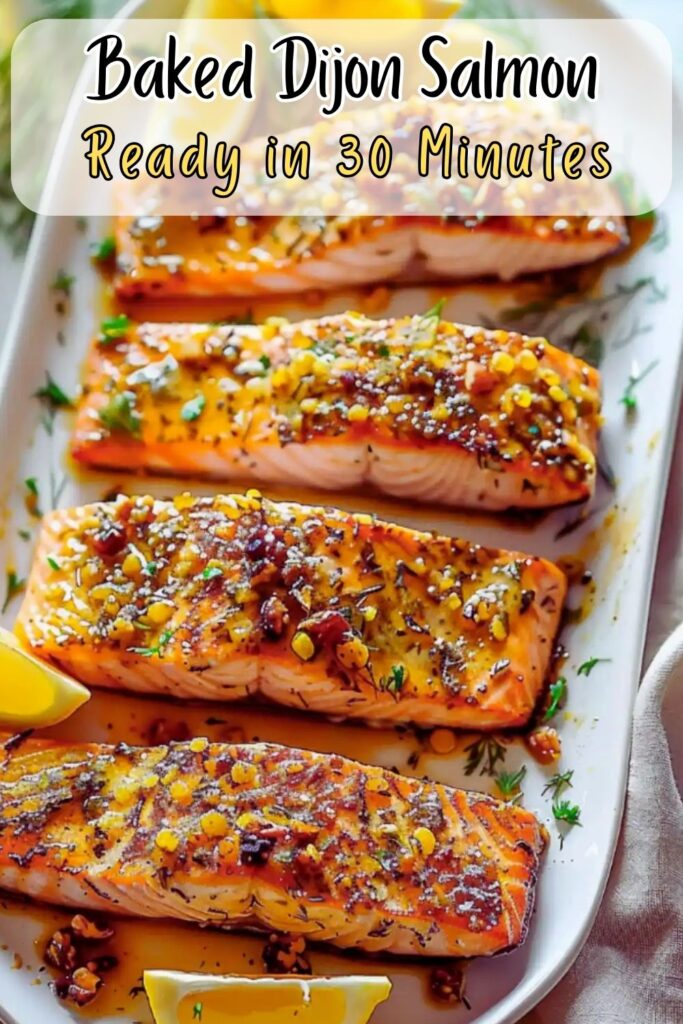
What Is Baked Dijon Salmon? A Flavorful and Healthy Dish
Baked dijon salmon is tender, flaky salmon coated with a tangy Dijon mustard glaze, baked to perfection for a quick and nutritious meal. Its appeal lies in the combination of tangy Dijon mustard, sweet honey, and zesty lemon, creating a balanced and indulgent experience that satisfies every palate. Whether enjoyed during weeknight dinners, family gatherings, or as a homemade dish at home, this recipe stands out for its luxurious simplicity. Its versatility ensures it caters to various dietary preferences, ensuring everyone can indulge. With minimal effort and maximum flavor, baked dijon salmon proves that great meals don’t require hours of active prep.
Why You’ll Love This Baked Dijon Salmon Recipe
This baked dijon salmon recipe stands out for its unique appeal: the combination of tangy Dijon mustard, sweet honey, and zesty lemon creates a balanced and indulgent experience. It’s ideal for busy weeknights, holiday celebrations, or as a quick yet impressive dish to serve guests, providing a delightful experience for any event. The adaptability of this dish ensures it fits seamlessly into nut-free, gluten-free, or lower-sodium diets, making it inclusive for diverse needs. Whether you’re serving it as a show-stopping centerpiece or preparing it for a cozy gathering, this recipe offers a delightful experience. With its ease of preparation and irresistible flavors, baked dijon salmon proves that homemade meals can still rival gourmet creations.

Key Ingredients for Making Perfect Baked Dijon Salmon
To create the ultimate baked dijon salmon, gather these essentials: For the glaze, use Dijon mustard (2 tablespoons), honey (1 tablespoon), lemon juice (1 tablespoon), olive oil (1 tablespoon), garlic (2 cloves, minced), salt, and pepper (to taste). For the salmon, include salmon fillets (4, 6-ounce each, skin-side down). Optional garnish includes fresh parsley or dill for added freshness. Dietary substitutions like maple syrup instead of honey for vegan options or substituting avocado oil for olive oil cater to specific needs without compromising taste. Each component ensures dishes that are rich, flavorful, and utterly satisfying.
Step-by-Step Instructions for Making Baked Dijon Salmon
Making baked dijon salmon is simple with this clear guide. Preheat oven to 400°F (204°C) and grease a baking sheet or line it with parchment paper. In a small bowl, whisk together Dijon mustard, honey, lemon juice, olive oil, garlic, salt, and pepper until smooth. Place salmon fillets on the prepared baking sheet, skin-side down. Spoon the glaze evenly over the top of each fillet. Bake for 12–15 minutes, or until the salmon is cooked through and flakes easily with a fork. The internal temperature should reach 135°F (57°C) at the thickest part. Garnish with fresh parsley or dill if desired. Serve warm and enjoy! This straightforward process ensures flawless results every time.
Tips for Achieving the Best Texture and Flavor in Baked Dijon Salmon
Achieving the best results with baked dijon salmon involves using fatty salmon varieties like King Salmon, Sockeye, or sustainably raised Atlantic Salmon to prevent dryness, creating visually appealing portions. Avoid overcooking the salmon to maintain its tender texture, enhancing its structure. Bake immediately after glazing to prevent the acid in the lemon juice from toughening the fish. These expert tips guarantee dishes that are consistently flavorful, visually stunning, and ready to impress with every bite. With minimal effort, you can elevate your cooking game and create a meal that’s both comforting and gourmet-worthy, perfect for any occasion.
How to Customize Your Baked Dijon Salmon for Unique Twists
Customizing your baked dijon salmon opens up endless possibilities for flavor exploration. For a low-carb option, substitute honey with stevia or monk fruit sweetener for a sugar-free version, catering to health-conscious preferences. Add cayenne pepper or smoked paprika for extra heat and depth, bringing warmth to the dish. Swap salmon with cod, halibut, or chicken breasts for variety, adding a unique flair to the classic recipe. Serve with roasted asparagus, broccoli, or Brussels sprouts for added nutrition. These creative ideas cater to diverse tastes while maintaining the dish’s signature simplicity, ensuring a delightful experience every time.
Serving Suggestions: Pairing Baked Dijon Salmon with Drinks or Sides
Baked dijon salmon pairs beautifully with complementary drinks and sides, creating a complete and satisfying meal. Enjoy it with quinoa, brown rice, or mashed potatoes for a cozy experience. Add a squeeze of fresh lemon or a drizzle of olive oil for presentation, elevating its festive appeal. Complement its rich notes with beverages like chilled white wine, sparkling water, or herbal tea, adding refreshment to your spread. These thoughtful pairings ensure baked dijon salmon remains a versatile and crowd-pleasing addition to any dining occasion.
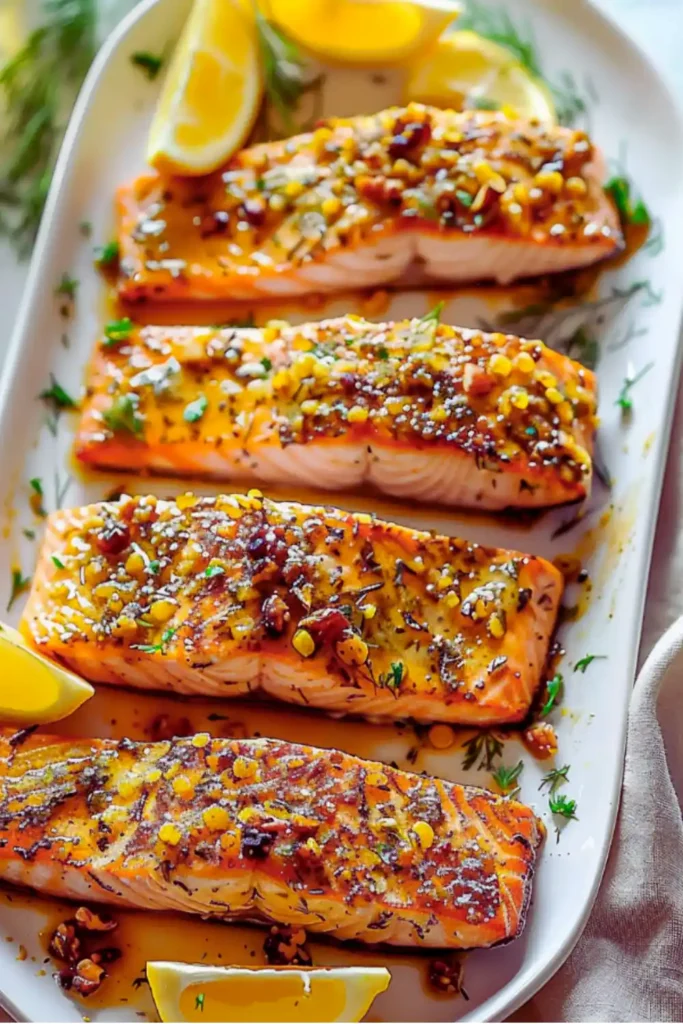
Storage Tips: How to Store and Preserve Leftover Salmon
To keep your baked dijon salmon tasting fresh, store leftovers in an airtight container in the fridge for up to 3 days. Freeze cooked salmon in portion-sized containers; thaw overnight in the fridge and reheat gently. Reheat with a splash of lemon juice or broth to restore moisture. These storage techniques guarantee dishes that remain flavorful, convenient, and ready to enjoy whenever cravings strike, ensuring no bite goes to waste.
See Also:
Frequently Asked Questions About Baked Dijon Salmon
Q: Can I use pre-made Dijon glaze instead of making my own?
A: Yes, but homemade glaze ensures fresher flavors and allows for customization.
Q: What can I substitute for honey?
A: Maple syrup, agave, or brown sugar works well for similar results.
Q: Is this recipe gluten-free?
A: It is naturally gluten-free; ensure all ingredients are certified gluten-free if needed.
Q: How do I know when the salmon is fully cooked?
A: The salmon is done when it flakes easily with a fork and reaches an internal temperature of 135°F (57°C).
Q: Can I prepare the glaze ahead of time?
A: Yes, assemble and refrigerate for up to 24 hours; bring to room temperature before using.
Why Baked Dijon Salmon Is a Must-Try for Any Occasion
Baked dijon salmon stands out for its rich flavors, ease of preparation, and versatility for multiple occasions, making it ideal for family dinners, casual snacks, or festive celebrations. Whether served as part of a dinner spread or as a standout dish during gatherings, it brings joy and satisfaction to any occasion. Experiment with variations and presentations to make it your own, ensuring a delightful experience every time. With minimal effort and maximum flavor, this recipe proves that homemade meals can still rival gourmet creations. Try it today it might just become your new go-to way to elevate any gathering or celebration.
Print
Baked Dijon Salmon
- Total Time: 19 minutes
- Yield: 4 servings
- Diet: Gluten Free
Description
Baked Dijon salmon is a quick, healthy, and flavorful dish featuring tender salmon fillets glazed with a tangy-sweet blend of Dijon mustard, honey, lemon, and garlic. Ready in under 25 minutes and perfect for weeknights or elegant dinners. Naturally gluten-free and easily made vegan or lower-sugar.
Ingredients
For the Glaze:
– 2 tbsp Dijon mustard
– 1 tbsp honey (or maple syrup for vegan)
– 1 tbsp fresh lemon juice
– 1 tbsp olive oil (or avocado oil)
– 2 garlic cloves, minced
– Salt and black pepper, to taste
For the Salmon:
– 4 (6-oz) salmon fillets, skin-on or skinless, patted dry
For Garnish (optional):
– Fresh parsley or dill, chopped
Instructions
- Preheat oven to 400°F (204°C). Line a baking sheet with parchment paper or lightly grease it.
- In a small bowl, whisk together Dijon mustard, honey, lemon juice, olive oil, garlic, salt, and pepper until smooth.
- Place salmon fillets on the baking sheet, skin-side down if skin is on.
- Spoon the glaze evenly over the top of each fillet, spreading gently to coat.
- Bake for 12–15 minutes, or until salmon flakes easily with a fork and reaches an internal temperature of 135°F (57°C) at the thickest part.
- Remove from oven. Garnish with fresh parsley or dill, if desired.
- Serve immediately.
Notes
Notes
– Use fresh, high-fat salmon (like King, Sockeye, or Atlantic) for best texture and moisture.
– Do not overcook salmon continues to cook slightly after removal from oven.
– Vegan option: Substitute honey with pure maple syrup or agave nectar.
– Gluten-free: Naturally GF, just verify Dijon mustard label (most are GF, but some brands contain trace wheat).
– Make ahead: Glaze can be prepared up to 24 hours in advance; store covered in the fridge.
– Acid tip: Apply glaze just before baking to prevent lemon juice from “cooking” the surface of the fish.
- Prep Time: 5 minutes
- Cook Time: 14 minutes
- Category: Main Course
- Method: Baking
- Cuisine: American / French-inspired
Nutrition
- Serving Size: 1 salmon fillet with glaze
- Calories: ~320
- Sugar: 6g
- Sodium: 480mg (varies with mustard and salt—use low-sodium mustard to reduce)
- Fat: 18g
- Saturated Fat: 3g
- Unsaturated Fat: 13g
- Trans Fat: 0g
- Carbohydrates: 8g
- Fiber: 0g
- Protein: 34g
- Cholesterol: 95mg