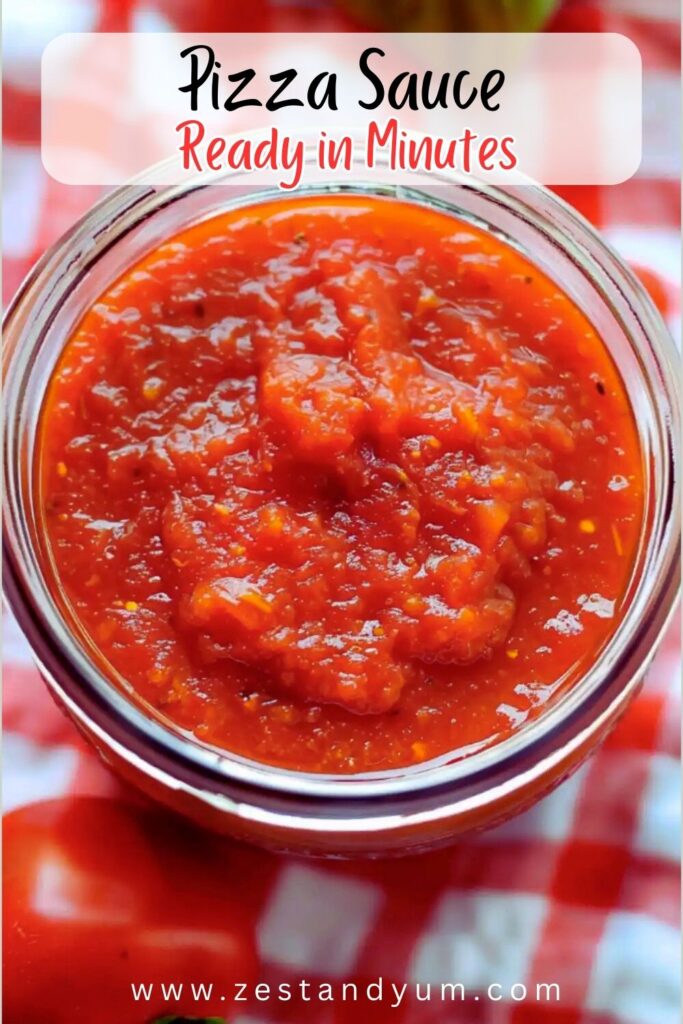
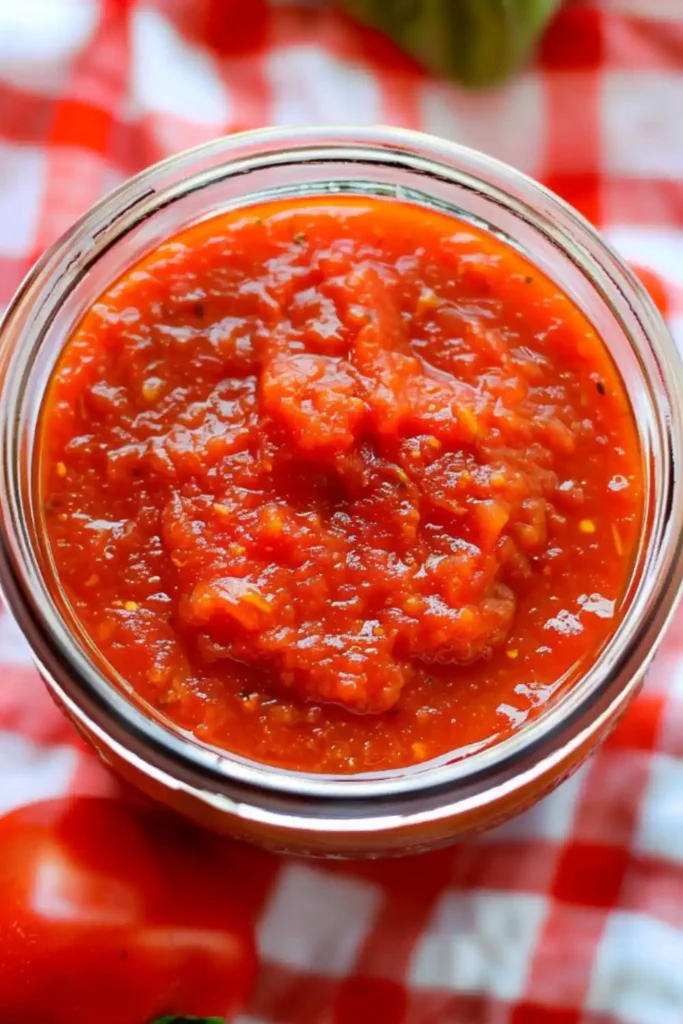
What Is Homemade Pizza Sauce? A Flavorful Base for Perfect Pizzas
Homemade pizza sauce is a simple yet deeply flavorful sauce made from whole peeled tomatoes, garlic, and herbs, perfect for elevating homemade pizzas. Its appeal lies in the harmonious blend of fresh, vibrant flavors with minimal effort, creating a dish that’s both indulgent and practical. Whether enjoyed by pizza lovers seeking control over their ingredients or as a base for other Italian-inspired dishes like calzones or flatbreads, this recipe satisfies cravings with its luxurious taste. Its versatility ensures it caters to various dietary preferences, including gluten-free, vegan, or low-sodium options, ensuring everyone can indulge. With minimal effort and maximum flavor, homemade pizza sauce proves that great sauces don’t require hours of active prep.
Why You’ll Love This Homemade Pizza Sauce Recipe
This homemade pizza sauce recipe stands out for its unique appeal: fresh, vibrant flavors with minimal effort, making it superior to store-bought alternatives. It’s ideal for family pizza nights, meal prep, or as a base for other Italian-inspired dishes, providing a delightful experience for any event. The adaptability of this dish ensures it fits seamlessly into nut-free, vegan, or low-carb diets, making it inclusive for diverse needs. Whether you’re serving it as a show-stopping base for your favorite pizza or preparing it for a cozy gathering, this recipe offers a delightful experience. With its ease of preparation and irresistible flavors, homemade pizza sauce proves that homemade comfort food can still rival gourmet creations.

Key Ingredients for Making Perfect Homemade Pizza Sauce
To create the ultimate homemade pizza sauce, gather these essentials: Use whole peeled tomatoes (28-ounce can), extra-virgin olive oil (1 tablespoon), red wine vinegar (1 teaspoon), minced garlic clove (1 large), table salt (1 teaspoon), granulated sugar (1 teaspoon), dried oregano (1 teaspoon), and freshly ground black pepper (¼ teaspoon). Dietary substitutions like low-sodium tomatoes, sugar substitutes, or omitting red wine vinegar cater to specific needs without compromising taste. Each component ensures sauce that is rich, flavorful, and utterly satisfying.
Step-by-Step Instructions for Making Homemade Pizza Sauce
Making homemade pizza sauce is simple with this clear guide. Drain whole peeled tomatoes in a fine-mesh strainer, discarding the liquid. Place the drained tomatoes into a blender. Add olive oil, red wine vinegar, minced garlic, salt, sugar, dried oregano, and black pepper to the blender. Blend on high speed for about 30 seconds, or until the mixture is completely combined and smooth. Use the sauce immediately in your favorite pizza recipe or transfer to an airtight container and refrigerate for up to 5 days. This straightforward process ensures flawless results every time.
Tips for Achieving the Best Texture and Flavor in Homemade Pizza Sauce
Achieving the best results with homemade pizza sauce involves using high-quality canned tomatoes for optimal taste, creating visually appealing portions. Adjust sugar levels based on the sweetness of the tomatoes, enhancing its balance. Let the sauce rest for 15–20 minutes before using to allow flavors to meld. These expert tips guarantee sauce that is consistently flavorful, visually stunning, and ready to impress with every bite. With minimal effort, you can elevate your cooking game and create a dish that’s both comforting and gourmet-worthy, perfect for any occasion.
How to Customize Your Homemade Pizza Sauce for Unique Twists
Customizing your homemade pizza sauce opens up endless possibilities for flavor exploration. For a low-sodium option, reduce or omit salt and use low-sodium canned tomatoes, catering to health-conscious preferences. Add red pepper flakes, cayenne pepper, or a dash of hot sauce for heat, bringing warmth and intrigue to the dish. Incorporate fresh basil, thyme, or rosemary for added depth, adding a unique flair to the classic recipe. Experiment with roasted garlic, sun-dried tomatoes, or crushed red pepper for unique variations. These creative ideas cater to diverse tastes while maintaining the sauce’s signature simplicity, ensuring a delightful experience every time.
Serving Suggestions: Pairing Homemade Pizza Sauce with Other Dishes
Homemade pizza sauce pairs beautifully with complementary dishes, creating a complete and satisfying meal. Enjoy it with classic Margherita pizzas, meat-topped pies, or veggie-loaded creations for a hearty dining experience. Use it as a dipping sauce for breadsticks, calzones, or flatbreads, elevating its rich flavors. Complement its savory notes with beverages like sparkling water, red wine, or craft beer, adding refreshment to your spread. These thoughtful pairings ensure homemade pizza sauce remains a versatile and crowd-pleasing addition to any dining occasion.
Storage Tips: How to Store and Reheat Leftover Pizza Sauce
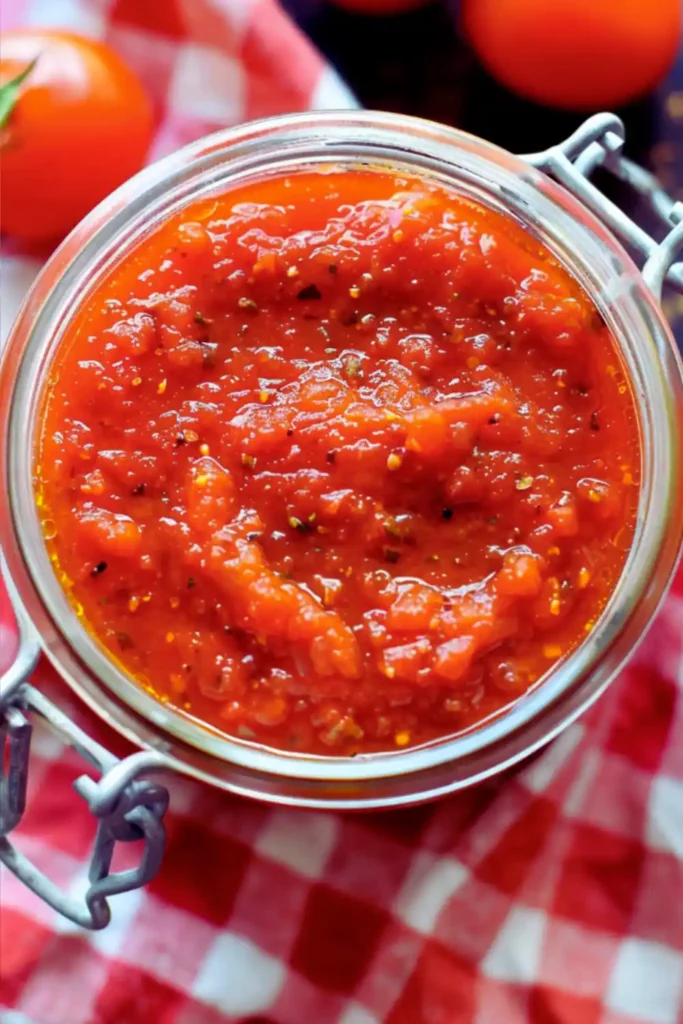
To keep your homemade pizza sauce tasting fresh, store leftovers in an airtight container in the fridge for up to 5 days or in the freezer for up to 3 months. Freeze in portion-sized containers or ice cube trays for easy thawing. Thaw overnight in the fridge before reheating. Reheat gently on the stovetop or microwave, adding a splash of olive oil to restore texture if needed. These storage techniques guarantee sauce that remains flavorful, convenient, and ready to enjoy whenever cravings strike, ensuring no bite goes to waste.
See Also:
- Perfect Homemade Pizza Dough
- Greek Roasted Garlic Spinach White Pizza
- 3-Ingredient Cottage Cheese Pizza Crust
Frequently Asked Questions About Homemade Pizza Sauce
Q: Can I use fresh tomatoes instead of canned?
A: Yes, but you’ll need to peel and seed them first, which requires more effort.
Q: What can I substitute for red wine vinegar?
A: Apple cider vinegar or balsamic vinegar works well for similar results.
Q: Is this recipe vegan?
A: Yes, it’s naturally vegan and dairy-free.
Q: How do I make the sauce smoother?
A: Blend for a longer time or strain through a fine-mesh sieve after blending.
Q: Can I prepare the sauce ahead of time?
A: Yes, make it up to 5 days in advance and store in the fridge or freeze for longer storage.
Why Homemade Pizza Sauce Is a Must-Try for Any Occasion
Homemade pizza sauce stands out for its vibrant flavors, ease of preparation, and versatility for multiple dishes, making it ideal for family dinners, casual snacks, or festive gatherings. Whether served as part of a comforting meal or as a standout base during celebrations, it brings joy and satisfaction to any occasion. Experiment with variations and presentations to make it your own, ensuring a delightful experience every time. With minimal effort and maximum flavor, this recipe proves that homemade dishes can still rival gourmet creations. Try it today it might just become your new go-to way to elevate any gathering or celebration.
Print
Homemade Pizza Sauce Recipe
- Total Time: 5 minutes
- Yield: About 2½ cups (enough for two 12-inch pizzas)
- Diet: Vegan
Description
A quick, vibrant, and deeply flavorful pizza sauce made from whole peeled tomatoes, garlic, and herbs—perfect for homemade pizzas, calzones, or flatbreads. Naturally vegan, gluten-free, and easily customizable.
Ingredients
– 1 (28-ounce) can whole peeled tomatoes
– 1 tablespoon extra-virgin olive oil
– 1 teaspoon red wine vinegar (or apple cider vinegar)
– 1 large garlic clove, minced
– 1 teaspoon table salt (or to taste)
– 1 teaspoon granulated sugar (optional, adjust to tomato sweetness)
– 1 teaspoon dried oregano
– ¼ teaspoon freshly ground black pepper
Instructions
- Drain the canned tomatoes in a fine-mesh strainer, discarding the liquid.
- Place drained tomatoes into a blender.
- Add olive oil, red wine vinegar, minced garlic, salt, sugar, oregano, and black pepper.
- Blend on high speed for 30 seconds, or until completely smooth.
- For best flavor, let sauce rest 15–20 minutes before using.
- Use immediately on pizza, or store in an airtight container.
Notes
– No cooking required this is a no-cook, fresh-style sauce.
– For smoother texture: Blend longer or strain through a fine-mesh sieve.
– Low-sodium: Use no-salt-added tomatoes and reduce or omit added salt.
– Sugar-free: Omit sugar; add a pinch of baking soda if tomatoes are too acidic.
– Freezing tip: Freeze in ice cube trays or small jars for up to 3 months.
– Fresh tomatoes? Possible, but must be peeled, seeded, and drained canned are more consistent.
- Prep Time: 5 minutes (+ 15–20 min resting)
- Cook Time: 0 minutes
- Category: Sauce / Condiment
- Method: No-Cook / Blending
- Cuisine: Italian / American
Nutrition
- Serving Size: 2 tablespoons (30g)
- Calories: ~20
- Sugar: 2g
- Sodium: 230mg (varies with salt/tomatoes—use no-salt-added to reduce)
- Fat: 1g
- Saturated Fat: 0.1g
- Unsaturated Fat: 0.8g
- Trans Fat: 0g
- Carbohydrates: 3g
- Fiber: 1g
- Protein: 0.5g
- Cholesterol: 0mg