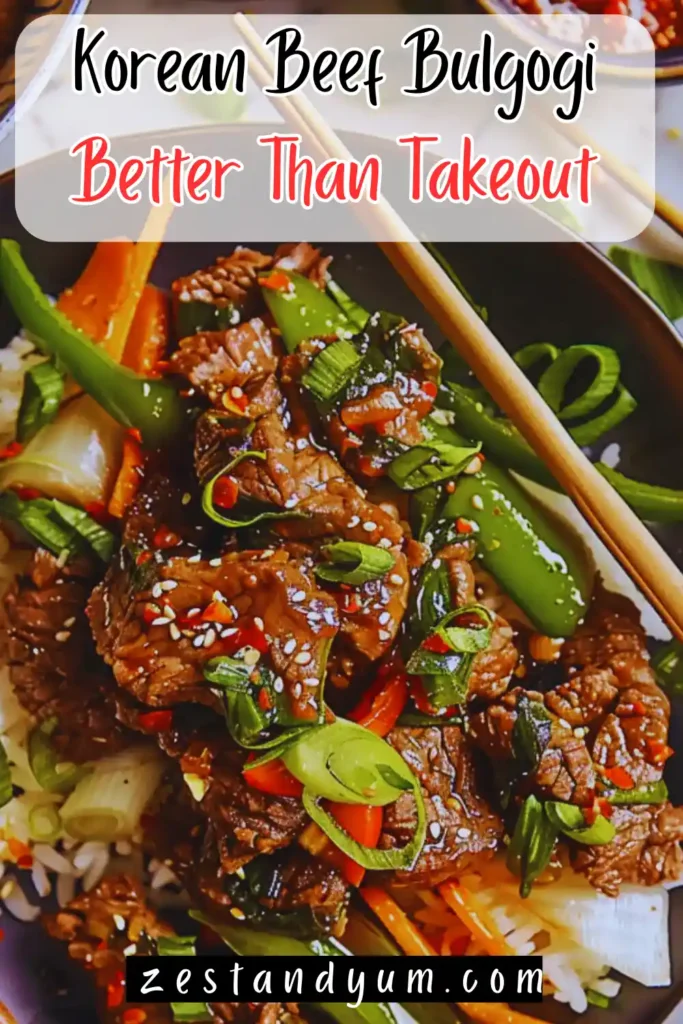
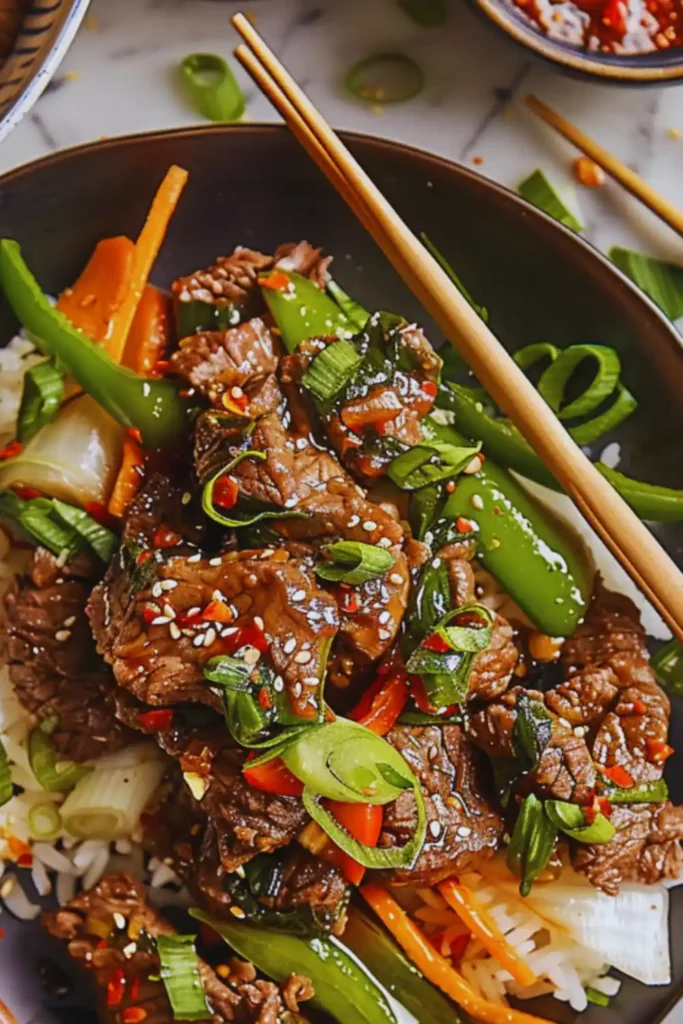
What Is Korean Beef Bulgogi? A Flavorful and Savory Dish
Korean beef bulgogi features thinly sliced beef marinated in a sweet and spicy blend of soy sauce, pear, garlic, ginger, and gochujang, then grilled for a tender and aromatic experience. Its appeal lies in the combination of umami-rich marinade, charred beef, and fresh garnishes, creating an indulgent yet balanced experience that satisfies every palate. Whether enjoyed during weeknight dinners, family gatherings, or as a homemade dish at home, this recipe stands out for its luxurious simplicity. Its versatility ensures it caters to various dietary preferences, ensuring everyone can indulge. With minimal effort and maximum flavor, Korean beef bulgogi proves that great meals don’t require hours of active prep.
Why You’ll Love This Korean Beef Bulgogi Recipe
This Korean beef bulgogi recipe stands out for its unique appeal: the combination of umami-rich marinade, charred beef, and fresh garnishes creates an indulgent yet balanced experience. It’s ideal for busy weeknights, holiday celebrations, or as a quick yet impressive dish to serve guests, providing a delightful experience for any event. The adaptability of this dish ensures it fits seamlessly into nut-free, gluten-free, or lower-sodium diets, making it inclusive for diverse needs. Whether you’re serving it as a show-stopping centerpiece or preparing it for a cozy gathering, this recipe offers a delightful experience. With its ease of preparation and irresistible flavors, Korean beef bulgogi proves that homemade meals can still rival gourmet creations.
Key Ingredients for Making Perfect Korean Beef Bulgogi
To create the ultimate Korean beef bulgogi, gather these essentials: For the marinade, use coarsely grated pear (½ small), reduced sodium soy sauce (¼ cup), brown sugar (2 tablespoons), toasted sesame oil (2 tablespoons), garlic cloves (3, minced), freshly grated ginger (1 tablespoon), gochujang (1 tablespoon). For the beef, include boneless rib eye steak (1½ pounds), vegetable oil (2 tablespoons, divided). For garnish, use thinly sliced green onions (2), toasted sesame seeds (1 teaspoon). Dietary substitutions like tamari instead of soy sauce for gluten-free diets or substituting plant-based ingredients for vegan options cater to specific needs without compromising taste. Each component ensures dishes that are rich, flavorful, and utterly satisfying.

Step-by-Step Instructions for Making Korean Beef Bulgogi
Making Korean beef bulgogi is simple with this clear guide. Wrap the steak in plastic wrap and place it in the freezer for 30 minutes. Unwrap and slice across the grain into ¼-inch thick slices. In a medium bowl, combine grated pear, soy sauce, brown sugar, sesame oil, garlic, ginger, and gochujang. Stir until well combined. Place the sliced steak in a gallon-sized Ziploc bag or large bowl. Pour the marinade over the steak, ensuring all pieces are coated. Seal or cover and refrigerate for at least 2 hours, up to overnight, turning occasionally. Heat 1 tablespoon of vegetable oil in a cast iron grill pan (or skillet) over medium-high heat. Working in batches, add the steak in a single layer and cook for 2–3 minutes per side, flipping once, until charred and cooked through. Repeat with the remaining oil and steak. Serve immediately, garnished with sliced green onions and toasted sesame seeds, if desired. This straightforward process ensures flawless results every time.
Tips for Achieving the Best Texture and Flavor in Korean Beef Bulgogi
Achieving the best results with Korean beef bulgogi involves using a frozen pear for easier grating and juicier results, creating visually appealing portions. Avoid overcrowding the pan to ensure proper searing and caramelization, enhancing its structure. Slice the beef thinly against the grain for maximum tenderness. These expert tips guarantee dishes that are consistently flavorful, visually stunning, and ready to impress with every bite. With minimal effort, you can elevate your cooking game and create a meal that’s both comforting and gourmet-worthy, perfect for any occasion.
How to Customize Your Korean Beef Bulgogi for Unique Twists
Customizing your Korean beef bulgogi opens up endless possibilities for flavor exploration. For a low-carb option, serve the beef over cauliflower rice or zucchini noodles instead of traditional rice, catering to health-conscious preferences. Add extra gochujang or red pepper flakes for extra heat, bringing warmth to the dish. Swap rib eye steak with sirloin, flank steak, chicken, pork, or tofu for variety, adding a unique flair to the classic recipe. Stir-fry onions, bell peppers, or mushrooms alongside the beef for added nutrition. These creative ideas cater to diverse tastes while maintaining the dish’s signature simplicity, ensuring a delightful experience every time.
Serving Suggestions: Pairing Korean Beef Bulgogi with Drinks or Sides
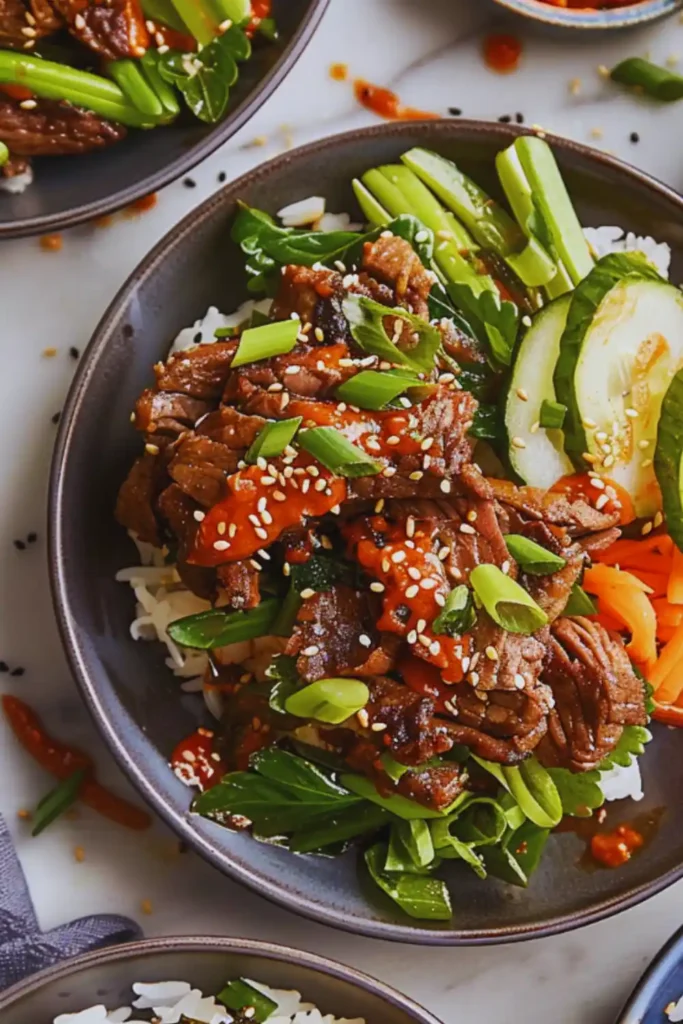
Korean beef bulgogi pairs beautifully with complementary drinks and sides, creating a complete and satisfying meal. Enjoy it with steamed white rice, kimchi, or lettuce wraps for a cozy experience. Add a sprinkle of sesame seeds or a drizzle of sriracha for presentation, elevating its festive appeal. Complement its rich notes with beverages like chilled soju, sparkling water, or herbal tea, adding refreshment to your spread. These thoughtful pairings ensure Korean beef bulgogi remains a versatile and crowd-pleasing addition to any dining occasion.
Storage Tips: How to Store and Preserve Leftover Bulgogi
To keep your Korean beef bulgogi tasting fresh, store leftovers in an airtight container in the fridge for up to 3 days. Freeze cooked beef in portion-sized containers; thaw overnight in the fridge and reheat gently. Reheat in a skillet to restore juiciness and flavor. These storage techniques guarantee dishes that remain flavorful, convenient, and ready to enjoy whenever cravings strike, ensuring no bite goes to waste.
See Also:
Frequently Asked Questions About Korean Beef Bulgogi
Q: Can I use apple instead of pear in the marinade?
A: Yes, apple works well as a substitute for similar sweetness and tenderness.
Q: What can I substitute for gochujang?
A: Sriracha or chili paste works well for similar results, though the flavor may differ slightly.
Q: Is this recipe gluten-free?
A: It can be made gluten-free by using tamari instead of soy sauce.
Q: How do I prevent the beef from being too tough?
A: Slice the beef thinly against the grain and avoid overcooking.
Q: Can I prepare the marinade ahead of time?
A: Yes, assemble and refrigerate for up to 24 hours; use when ready to marinate the beef.
Why Korean Beef Bulgogi Is a Must-Try for Any Occasion
Korean beef bulgogi stands out for its rich flavors, ease of preparation, and versatility for multiple occasions, making it ideal for family dinners, casual snacks, or festive celebrations. Whether served as part of a dinner spread or as a standout dish during gatherings, it brings joy and satisfaction to any occasion. Experiment with variations and presentations to make it your own, ensuring a delightful experience every time. With minimal effort and maximum flavor, this recipe proves that homemade meals can still rival gourmet creations. Try it today, it might just become your new go-to way to elevate any gathering or celebration!
Print
Korean Beef Bulgogi
- Total Time: 2 hours 30 minutes
- Yield: 4 servings
Description
Korean beef bulgogi is thinly sliced beef marinated in a sweet and spicy blend of soy sauce, pear, garlic, ginger, and gochujang, then grilled for a tender and aromatic experience. Perfect for weeknight dinners, family gatherings, or entertaining guests. Easily made gluten-free or vegan.
Ingredients
For the Marinade:
– ½ small pear, coarsely grated (or substitute apple)
– ¼ cup reduced sodium soy sauce (or tamari for gluten-free)
– 2 tbsp brown sugar
– 2 tbsp toasted sesame oil
– 3 garlic cloves, minced
– 1 tbsp freshly grated ginger
– 1 tbsp gochujang (or sriracha for substitution)
For the Beef:
– 1½ lbs boneless rib eye steak (or substitute sirloin, flank steak, chicken, pork, or tofu), thinly sliced
– 2 tbsp vegetable oil (divided: 1 tbsp per batch)
For Garnish (optional):
– 2 green onions, thinly sliced
– 1 tsp toasted sesame seeds
Instructions
- Wrap the steak in plastic wrap and place it in the freezer for 30 minutes to firm it up for easier slicing. Unwrap and slice across the grain into ¼-inch thick slices.
- In a medium bowl, combine grated pear, soy sauce, brown sugar, sesame oil, garlic, ginger, and gochujang. Stir until well combined.
- Place the sliced steak in a gallon-sized Ziploc bag or large bowl. Pour the marinade over the steak, ensuring all pieces are coated. Seal or cover and refrigerate for at least 2 hours, up to overnight, turning occasionally.
- Heat 1 tbsp vegetable oil in a cast iron grill pan (or skillet) over medium-high heat.
- Working in batches, add the steak in a single layer and cook for 2–3 minutes per side, flipping once, until charred and cooked through. Repeat with the remaining oil and steak.
6. Serve immediately, garnished with sliced green onions and toasted sesame seeds if desired.
Notes
– Use a frozen pear: This makes grating easier and adds juiciness to the marinade.
– Slice beef thinly against the grain: This ensures maximum tenderness.
– Avoid overcrowding the pan: Cook in batches to prevent steaming and ensure proper searing.
– Gluten-free option: Use tamari instead of soy sauce.
– Vegan option: Substitute beef with tofu, mushrooms, or jackfruit; adjust cooking time as needed.
– Storage: Store leftovers in an airtight container in the fridge for up to 3 days. Reheat in a skillet to restore juiciness.
- Prep Time: 20 minutes (+ 2 hours marinating)
- Cook Time: 10 minutes
- Category: Main Course / Beef
- Method: Grilling / Pan-Searing
- Cuisine: Korean
Nutrition
- Serving Size: 1 serving (¼ of recipe)
- Calories: ~350
- Sugar: 12g
- Sodium: 700mg (varies with soy sauce, use low-sodium or tamari to reduce)
- Fat: 20g
- Saturated Fat: 6g
- Unsaturated Fat: 12g
- Trans Fat: 0g
- Carbohydrates: 15g
- Fiber: 2g
- Protein: 28g
- Cholesterol: 80mg